Ocean microplastics citizen science
デザインの力で、市民と一緒に海ごみ問題を解決する
海に流れ出たプラスチックごみは、波や紫外線で砕けて目に見えないほど小さな粒になり、海を漂い続けます。このマイクロプラスチックは国際的な問題になっています。しかしその調査は、これまで研究者が船や実験室で行う専門的なものでした。市民がこの問題に関わる手段はほとんどありませんでした。
OMNIは、東京大学生産技術研究所 DLX Design Lab が、デザイナーと科学者の共創によって進めてきた市民参加型のプロジェクトです。誰もが参加できる調査デバイス、ごみ拾いツール、学びの場をデザインし、海ごみ問題を地域の人々と一緒に考え、行動につなげてきました。
3つの地域で、3つの解決策
海ごみの原因や状況は地域によって異なります。OMNIでは特徴の違う3つの自治体で行政と連携し、それぞれの地域に合った取り組みを実施しました。
- 神奈川県逗子市: 自治会の協力を得て、ビーチクリーンや川ごみ拾いのツールをデザインし、フィールド調査を行いました。
- 愛媛県四国中央市: 地元企業や行政とともに、脱プラスチックのための紙製品を考えるワークショップを実施しました。地域の紙を使ったバッグホルダー「PIGRA」も生まれました。
- 長崎県: テトラポッドに溜まったごみの清掃方法を考える「DELTA」のほか、地元の高校生を対象にした海ごみ対策アイデアワークショップとフィールド調査を行いました。
生まれたデザイン
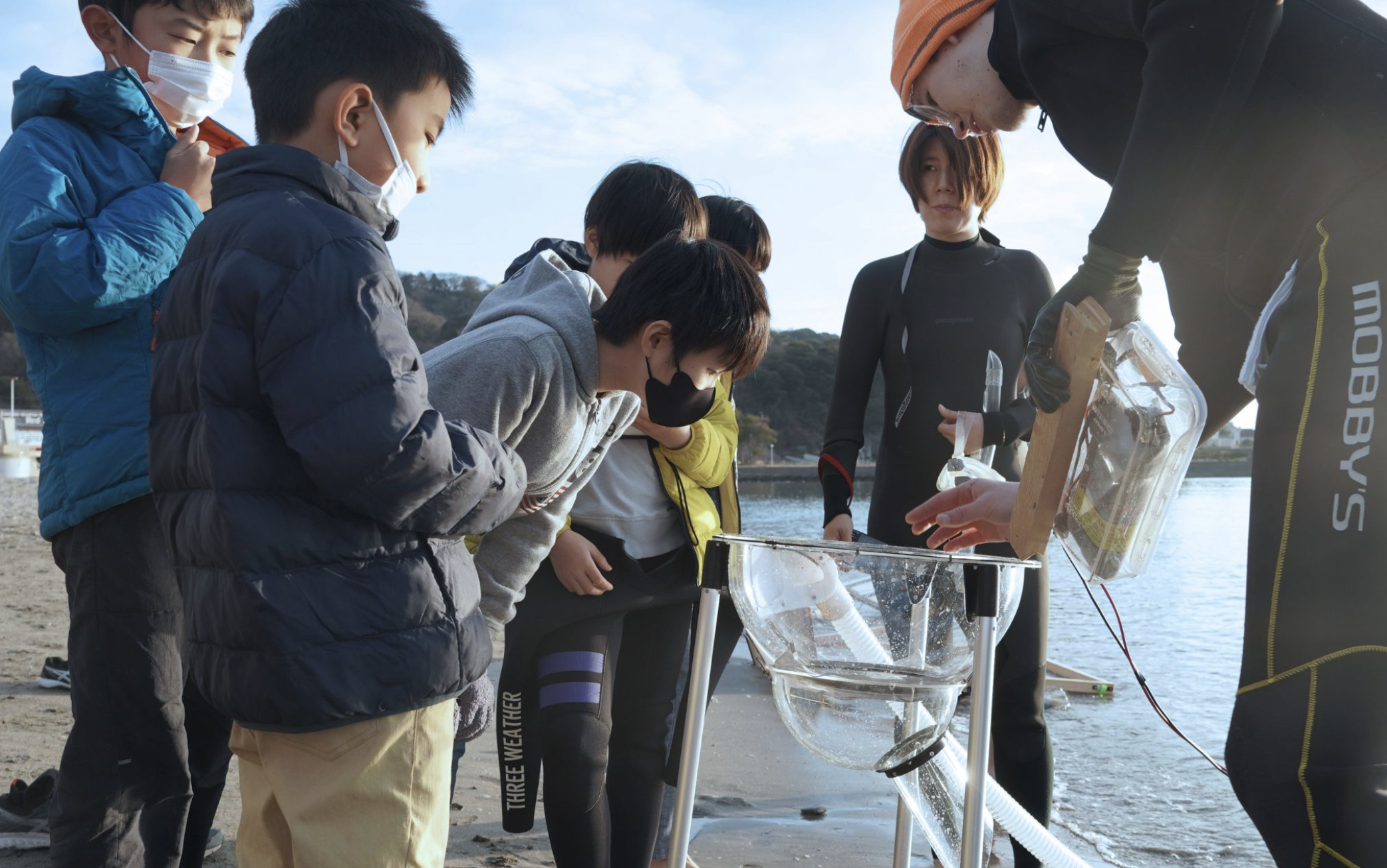
- BBQ Station: 水面に浮かぶポンプで海水を吸い込み、陸上でマイクロプラスチックを集めて観察するサンプラー
- Vortex Filter: BBQ Stationの改良型。簡単に使え、観察しやすい
- Slurper: 水面に浮かんで移動しながら、水面近くだけを吸い込むサンプラー
- PIGRA: 屋外のごみ拾いでは、風で袋の口が閉じてごみを入れにくくなります。その問題を解決するバッグホルダーです。絵を描いて自分仕様にでき、ごみ拾いを楽しく身近にします。素材はリサイクル可能な紙です。
- DELTA: マイクロプラスチックの発生源の一つになりうる、テトラポッドの隙間のごみを拾う方法とツール
成果(2019〜2024年度)
- イベント:9回、来場者約110,000人
- ワークショップ:約23回、参加者約900人(他地域での実施を含む)
- デザイン制作物:12プロジェクト、約70のプロトタイプ(プロダクト・グラフィック)
- 動画:12本、総再生回数約6,000回
- 登壇・講評:9回
- メディア露出:8回(新聞、ラジオ、ネットニュース)
- デザイン賞受賞1本、査読付き国際論文2本
Tokyo FM「コスモアースコンシャスアクト」(茅ヶ崎・逗子)では、約300名とマイクロプラスチックを拾い、マイクロプラスチックのサンプリング体験をデザインする研究について左右田が登壇しました。
受賞
- グッドデザイン賞 2022「OMNIマイクロプラスチック ― 市民参加型科学プロジェクト」
https://www.g-mark.org/gallery/winners/9395
論文
- Sayuda, T., Kinoshita, H., Kato, F., & Pennington, M. (2025). Creative-Motivated Citizen Science: After-School STEAM Programme for Motivating Actions Related to the Oceanic Microplastics Problem. Citizen Science: Theory and Practice, 10(1), 1–14. https://doi.org/10.5334/cstp.664
- Sayuda, T., Fischer, M., Kato, F., & Pennington, M. (2026). Design as Participation Catalyst in Addressing Marine Debris Challenges: A Multi-Site Comparative Study. The International Journal of Design in Society. https://doi.org/10.18848/2325-1328/CGP/A230
あわせて、研究の動画作成や、首都圏の海沿いの学校やコミュニティで、ワークショップの試作とデバイスの実証実験を始めました。その最初の機会として、逗子の子ども向けの海の学校「黒門とびうおクラブ」でリモートワークショップを行いました。
本プロジェクトは、2019年に東京大学と日本財団が始めた「東京大学FSI-日本財団海洋プラスチック研究」の一環としてスタートしました。
メディア掲載: 朝日新聞(2020年11月)、フジテレビ「Future Runners」、Fasu(SDGs連載)、Yahoo!ニュース(四国中央市でのワークショップ)、長崎新聞、FM愛媛
役割
プロジェクトリード/クリエイティブディレクター:ワークショップ設計、デバイス・ツールのデザインディレクション、自治体との連携、サービスエコシステム、デジタルコミュニケーション、映像の制作・ディレクション
Credits
Project Lead: Tomomi Sayuda/Project Advisor: Miles Pennington/Product Designer: Maximilian Fischer/UTokyo IIS, DLX Design Lab
Project Website: https://www.omni-mp.designlab.ac/
OMNI Microplastics & Marine Litter
Solving the marine litter problem together with citizens, through design
Plastic litter that flows into the ocean is broken down by waves and sunlight into particles too small to see, which keep drifting in the sea. These microplastics have become a global issue. Yet researching them has largely been specialist work done by scientists on ships and in laboratories, and citizens have had few ways to get involved.
OMNI is a citizen-participatory project by DLX Design Lab, Institute of Industrial Science, The University of Tokyo, developed through co-creation between designers and scientists. We designed sampling devices, litter-picking tools and learning opportunities that anyone can use. Through them, local people think about the marine litter problem with us and turn that thinking into action.
Three regions, three solutions
The causes and conditions of marine litter differ from place to place. We worked with three municipalities that each have different characteristics, and developed solutions suited to each one.
- Zushi, Kanagawa: With help from local neighbourhood associations, we designed tools for beach and river clean-ups and carried out field research.
- Shikokuchuo, Ehime: We ran workshops with local companies and the city government to imagine paper products that could replace plastics. The work led to PIGRA, a bag holder made from local paper.
- Nagasaki: We developed DELTA, a method for removing litter trapped in tetrapods, and held ideation workshops and field research with local high school students.
Designs
- BBQ Station: A sampler that uses a floating pump to draw in seawater so that microplastics can be collected and observed on land
- Vortex Filter: An improved version of BBQ Station that is simpler to use and easier to observe
- Slurper: A sampler that moves across the water and draws in only the water near the surface
- PIGRA: Outdoors, wind closes the mouth of a rubbish bag and makes it hard to fill. PIGRA is a bag holder that solves this problem. People can draw on it to make it their own, which makes litter picking more fun and familiar. It is made from recyclable paper.
- DELTA: A method and tool for collecting litter trapped between tetrapods, a potential source of microplastics
Impact (FY2019–2024)
- Events: 9, with approx. 110,000 visitors
- Workshops: approx. 23, with approx. 900 participants (including sessions in other regions)
- Design outputs: 12 projects, approx. 70 prototypes (products and graphics)
- Videos: 12, with approx. 6,000 total views
- Talks and critiques: 9
- Media coverage: 8 (newspapers, radio, online news)
At Tokyo FM’s “Cosmo Earth Conscious Act” in Chigasaki and Zushi, about 300 participants collected microplastics. Tomomi spoke there about her research on designing microplastic sampling experiences.
Awards
- GOOD DESIGN AWARD 2022, “OMNI Microplastics: Citizen Science Project”
https://www.g-mark.org/gallery/winners/9395
Publications
- Sayuda, T., Kinoshita, H., Kato, F., & Pennington, M. (2025). Creative-Motivated Citizen Science: After-School STEAM Programme for Motivating Actions Related to the Oceanic Microplastics Problem. Citizen Science: Theory and Practice, 10(1), 1–14. https://doi.org/10.5334/cstp.664
- Sayuda, T., Fischer, M., Kato, F., & Pennington, M. (2026). Design as Participation Catalyst in Addressing Marine Debris Challenges: A Multi-Site Comparative Study. The International Journal of Design in Society. https://doi.org/10.18848/2325-1328/CGP/A230
As well as videos to tell the research stories, the team also began prototyping workshops and testing devices with schools and communities in coastal areas around Tokyo. The first session was a remote workshop for Kuromon Tobiuo Club, an ocean school for children in Zushi.
The project began as part of the “FSI Research Project on Marine Plastics in partnership with The Nippon Foundation,” launched by The University of Tokyo and The Nippon Foundation in 2019.
Media: Asahi Shimbun (November 2020), Fuji TV “Future Runners”, Fasu (SDGs series), Yahoo! News (workshop in Shikokuchuo)
Role
Project Lead / Creative Director: workshop design, design direction of devices and tools, partnerships with municipalities, service ecosystem, digital communication, and video production and direction
Credits
Project Lead: Tomomi Sayuda / Project Advisor: Miles Pennington / Product Designer: Maximilian Fischer / UTokyo IIS, DLX Design Lab
Project Website: https://www.omni-mp.designlab.ac/
Media appearance
ニューファミリー向けのライフスタイルWebマガジン Fasu
フューチャーランナーズ(フジテレビ)
朝日新聞 (2020年11月)
Yahoo News – 四国中央でワークショップの模様
https://news.yahoo.co.jp/articles/a604920a298b57270f3049ca41b10fca81848c5a



Other Project videos
Credit
Project Lead
Tomomi Sayuda
Project Advisor
Miles Pennington
Product Designer
Maximilian Fischer
Institute
UTokyo IIS, DLX Design Lab